

For many people considering facial rejuvenation, one of the most common questions is how to achieve the most natural-looking facelift. Modern cosmetic surgery offers several advanced techniques, but two of the most widely discussed are the traditional facelift and the deep plane facelift. While both approaches can enhance facial contours and reduce visible signs of aging, they work very differently beneath the skin—leading to different outcomes, recovery experiences, and levels of longevity.
In this guide, we’ll break down each technique, highlight the key differences, and help you understand which option may deliver the most natural results for your needs.
What Is a Traditional Facelift?
A traditional facelift, also known as a SMAS facelift, focuses on lifting and tightening the skin and the superficial musculoaponeurotic system (SMAS), a thin layer of muscles and connective tissue located beneath the skin. During the procedure, a facelift surgeon gently repositions and tightens the SMAS layer, removes excess skin, and smooths the lower face and jawline.
Benefits of a Traditional Facelift
- Proven and effective for decades
- Excellent for improving moderate sagging and skin laxity
- Well-suited for patients needing focused tightening around the jawline and cheeks
Limitations
While a traditional facelift can deliver beautiful results, some patients may notice a tighter or more “pulled” appearance when too much tension is placed on the skin. This is not as common with skilled surgeons, but it is one reason deeper-layer techniques like the deep plane facelift have gained popularity for achieving softer, more natural results.
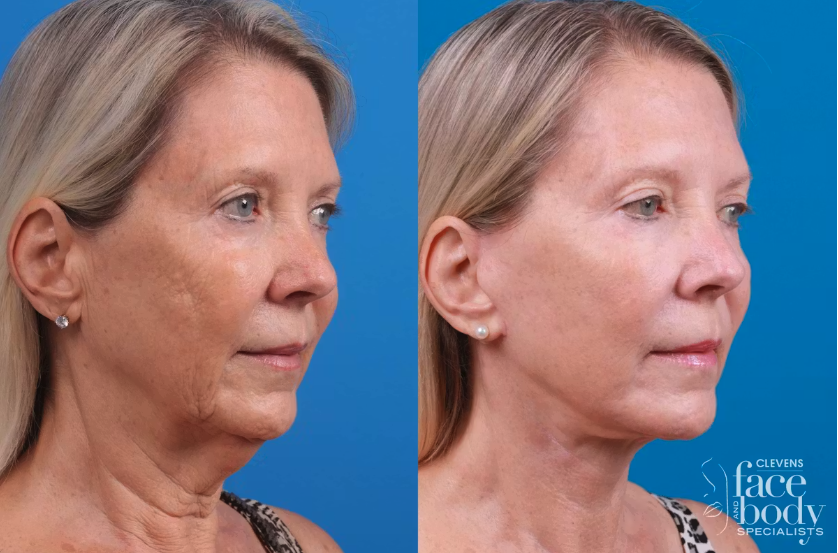
What Is a Deep Plane Facelift?
A deep plane facelift works at a deeper anatomical level than the traditional facelift. Instead of tightening the skin or simply adjusting the SMAS layer, the facelift surgeon releases and repositions the facial tissues beneath the SMAS, including muscles, ligaments, and fat pads.
This deeper repositioning allows the surgeon to lift the midface, cheeks, jowls, and jawline together as one unified layer. This technique reduces tension on the skin and more closely replicates how tissues appeared in youth.
Benefits of a Deep Plane Facelift
- Most natural-looking results due to deeper tissue repositioning
- Restores youthful volume in the midface and cheeks
- Longer-lasting outcomes compared to traditional methods
- Less tension on the skin, minimizing a “pulled” appearance
- Highly effective for significant laxity or deep nasolabial folds
Challenges
Because the deep plane facelift involves navigating deeper facial structures, it requires advanced anatomical knowledge. Choosing a highly trained facelift surgeon who specializes in facial plastic surgery and has extensive experience with this technique is essential.

Key Differences Between Deep Plane and Traditional Facelifts
Understanding the differences between these techniques is crucial when evaluating which approach will best meet your goals. Below are the main distinctions that influence both results and the patient experience.
1. Level of Tissue Adjustment
- Traditional Facelift: Tightens the skin and SMAS layer
- Deep Plane Facelift: Repositions muscles, ligaments, and deeper connective tissue
This deeper lift helps maintain natural facial movement and avoids excess tension on the skin.
2. Natural-Looking Results
Because the deep plane technique repositions deeper tissues rather than simply tightening the skin, patients often experience results that look more refreshed and less surgical. Cheeks appear naturally lifted, nasolabial folds soften, and the jawline becomes more defined without harsh or overly tight contours.
3. Longevity of Results
- Traditional Facelift: Typically lasts 7–10 years
- Deep Plane Facelift: Often lasts 10–15 years or longer due to deeper structural lifting
4. Recovery Experience
Both procedures involve similar downtime, usually around 2–3 weeks. However, patients who undergo a deep plane facelift often experience less skin tension and more comfortable healing because the lift is structural rather than skin-based.
5. Ideal Candidates
- Traditional Facelift: Best for mild to moderate aging concerns
- Deep Plane Facelift: Ideal for patients seeking the most natural, long-lasting results or those with more advanced aging in the cheeks and jawline
Which Delivers the Most Natural Results?
While both techniques can create impressive improvements, many facelift surgeons agree that the deep plane facelift offers the most natural-looking results. By lifting the face from within and working beneath the superficial layers, this approach restores youthful contours in a way that mirrors natural facial anatomy.
Traditional facelifts can still be an excellent choice—especially for patients who need a smaller, targeted improvement. However, for individuals seeking the most seamless, undetectable rejuvenation, the deep plane approach is often preferred.
How to Choose the Right Facelift Surgeon
Regardless of which technique you’re considering, selecting an experienced facelift surgeon is the most important factor in achieving beautiful results. Look for a surgeon who:
- Specializes in facial plastic surgery
- Regularly performs deep plane facelifts
- Provides before-and-after photos of similar patients
- Takes time to understand your goals and explain your options
A consultation is the best way to determine which facelift approach aligns with your anatomy, goals, and desired outcome.
Final Thoughts
Both the traditional facelift and the deep plane facelift can rejuvenate your appearance, restore youthful contours, and boost confidence. The key difference lies in how deeply the surgeon works and how naturally the results appear. For patients seeking the most advanced, long-lasting, and authentically refreshed look, the deep plane facelift often stands out as the ideal choice.